


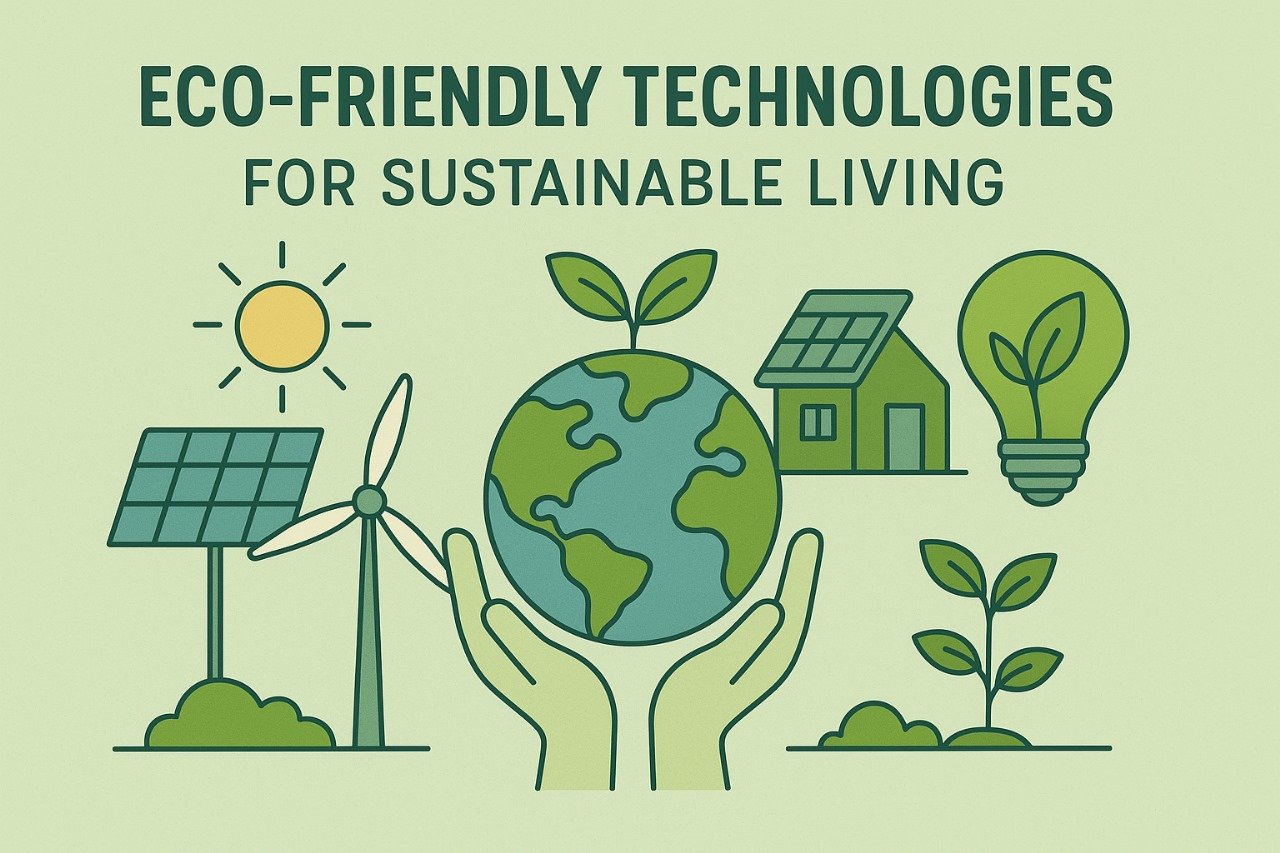
Eco-friendly Technologies for Sustainable Living, Green technologies that enable sustainable living are transforming how we live and work on our planet, they enable us to secure cleaner resources and make the fundamental human needs without harming coming generations. The applications are all variations on a theme of reducing environmental impact, whether by utilizing solar or wind power and living in eco-efficient homes or operating electric cars. Sustainable delivery, such using electric vehicles and advanced water treatment plants, is another way to live a renewable energy way of life. We can cut reduce pollution, protect resources, and begin developing a more sustainable, more resilient future if we use these ideas. Technology, for better or worse.
What technology is eco-friendly?
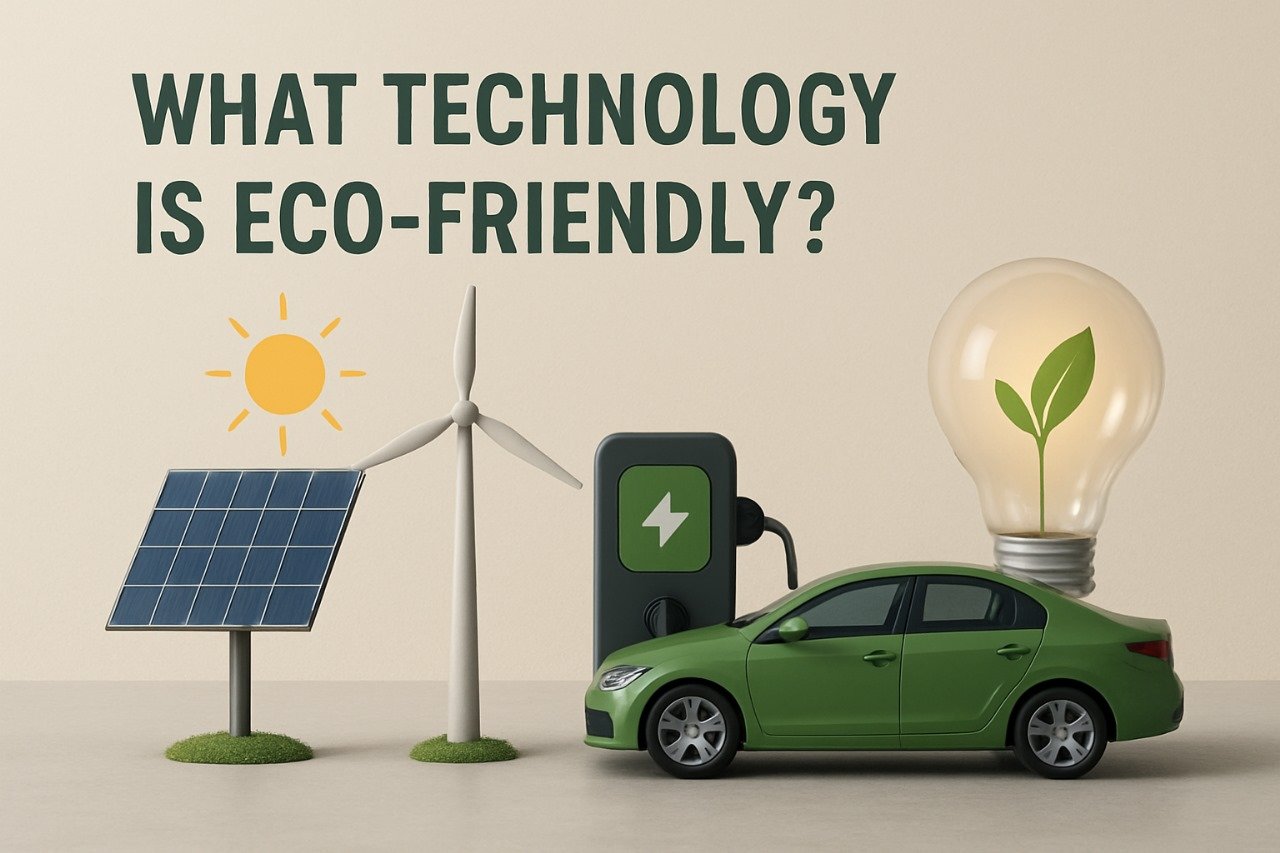
Environmentally friendly technology, or green (clean) technology, is a new and exciting area of science between the two opposite sides like environment And economic development Which can also known as “Green tech” or soft energy. It includes a variety of applications and products which are considered good for environmental Be helpful in solving more complex societal problems. Such technologies concentrate on consumption of energy, preserving resources and having low impact on the environment. Eco-friendly technology examples Solar panels that produce clean energy Electric vehicles (EVs) that reduce the use of fossil fuels, Biodegradable plastics to limit landfills Water-saving devices for fewer water resources.
What are examples sustainable technology?
Sustainable technology becoming the corner store of business planning. It assists businesses in growing, becoming more efficient and minimizing the damage it does to our planet. Through the magic of today’s technologies and methods, they aren’t just saving the earth — they’re also significantly cutting costs while making their efforts far more productive. What, then, is “sustainable technology” really? It’s technology that companies can adopt right now, and it would be helpful for the environment as well as their bottom lines. Here are a few key ones.
Electronic Signatures
Electronic signatures Solid and dependable, electronic signatures is a sustainable technology that replaces old paper-based methodologies. They also help save the environment: They eliminate much need for paper, lessening deforestation, water waste and energy connected to production. And besides the environmental virtue of digital signatures, they also help to accelerate workflows, reduce storage requirements and improve account operations.
Artificial Intelligence (AI)
AI is actually changing the way people work toward sustainability in practically every field you can think of. AI gives these systems a much-needed sense of intuition, cuts down on waste, and makes them work better. It does this by running smart energy grids and forecasting how much energy people will use. Companies utilize A.I.-powered analytics to make their supply chains work better, consume less fuel, and be smarter about how they use their resources. AI itself uses energy, but it can help lower global emissions in a way that is good for the environment. Read more post visit our website Premiumindo69.
Solar Panels
One of the most visible technologies in good use, solar panels let businesses capture renewable power. They reduce dependence on fossil fuels, reduce greenhouse gas emissions and lower electricity costs over time. For businesses that have adopted carbon neutrality” solar is still one of the most dependable long-term answers.
Cloud Computing
With cloud computing, the need to have physical servers or large IT infrastructures that require a huge amount of energy is reduced. In the cloud, companies consolidate operations in efficient and often renewable-powered data centers. It not only reduces environmental impact but is also scalable, flexible, and cost effective.
Green Technologies
As part of green innovation, products and solutions like automated waste recycling systems, water conservation tools, and sustainable agricultural implements are revolutionizing sectors. It’s not just said companies that win, it’s communities and ecosystems, resulting in a more even keel for humankind.
Solutions, for example, prove that sustainability can go hand in hand with industry success. Leaders who are integrating these technologies are the pacesetters for a cleaner, more intelligent way forward.
What are green technologies for sustainable development?
Green and sustainable development technology is a serialised environmental protection technology, which reduces pollution, protecting resources, as well as achieving long-term coordination of the economy and environment. It ranges from renewable energy sources such as solar and wind, energy efficiencies, electric vehicles, recycling, green buildings, water purification methods, and sustainable agriculture. And this, in turn, is creating societies that are growing without harming the natural ecosystems – maintaining a cleaner and healthier world for posterity.
How Sustainability is Driving Green Technologies
- Renewable energy (solar, wind, hydro)
- Energy efficiency (LEDs, smart grids)
- Sustainable transportation (EVs, hybrids)
- Waste management and recycling
- Water purification and treatment
- Green building practices
- Sustainable Agriculture (vertical farms, precision farming)
Smart Home Automation for Energy Conservation
Smart home automation is revolutionizing our lives; convenience and sustainability have never been so accessible. Increasing energy expenses and concern for greenhouse gas emissions is pushing homeowners to seek out smart devices that eliminate wasteful energy use and provide comfort, safety. Smart home automation for energy efficiency is not only about luxury – It’s a way of making our homes more efficient, more eco-friendly and future capable.
How Smart Home Automation Conserves Energy
Smart Lighting
Smart light systems help homeowners program, dim or turn off lights based on movement and natural light. By enabling energy to flow only when it is necessary, they cut electricity consumption by orders of magnitude.
Climate Control
Smart thermostats and automated HVAC systems readjust based on household patterns. They can learn user interests, control heating and cooling more efficiently, reduce the waste of undue energy use — in short, they are one of the most powerful arenas for energy savings.
Smart Appliances
Smart appliances like refrigerators, washing machines and ovens now include features that reduce energy use. Homeowners can track energy consumption (and receive maintenance alerts or schedule appliances during off-peak hours).
Energy Monitoring Systems
Sophisticated monitoring solutions offer real time feedback on device-level energy consumption. This allows to recognize high consumption appliances and indicates homeowners a better use for them.
Renewable Energy Integration
Intelligent systems can combine renewable sources of way to store them. By storing surplus power and directing it where it is needed, households diminish what they need from fossil fuels, which in turn lowers utility bills.
Benefits of Smart Home Automation for Energy Conservation
- Less Expensive Energy Bills – Automatically managing energy reduces the amount of it that gets wasted.
- Environmental Responsibility – Reduce carbon footprints with optimized energy consumption smart technology.
- Greater Convenience – Homeowners can control and manage their heating, ventilation, or air conditioning at any time, anywhere from their smartphones or using their voice commands to activate capabilities when heading home.
- Rising Home Value – Smart homes that are energy efficient also have higher market demand.
- Long-Lasting Savings – It pays for itself through the years.
Challenges to Consider
That being said, intelligent home automation is not without its challenges:
- High Initial Investment – Sophisticated products can cost a bundle for most families.
- Compatibility Problems – Not all brands are always compatible.
- Security And Data Privacy – Networked devices come with a heightened risk of data security and privacy leaks.
- Technical complexity – There could need for professional installation and setup.
Future of Smart Homes and Energy Conservation
The future seems promising with: DIV The likes of:
Personal AI in Energy Management.
Seamless device integration with Internet of Things (IoT).
Real-time control and monitoring facilitated by 5G Connectivity.
Blockchain for safe and transparent energy data.
Sharing Power Communities in which neighbors exchange excess renewable power.
Smart home energy savings isn’t just a fad — it’s a step towards sustainable living. From Smart HVAC and Lighting Homeowners can lower their energy use while living in a safer, healthier environment by using things like climate control, energy monitoring, and renewable energy. Smart homes are very important for moving toward a cleaner and more sustainable energy future in this time of tremendous progress in AI, the Internet of Things, and renewable energy.
FAQ
1. What are some eco-friendly technology?
Solar panels are just the type of green technology that is by-product free, using renewable energy to provide our daily electricity.
2. What are the Sustainable living -Renewable technologies?
Sustainable living through clean energy is also encouraged thanks to solar, wind, hydro and biomass technologies.
3. What is the technology for sustainable living?
Such technologies include energy-efficient appliances, rainwater harvesting devices, and intelligent meters.
4. What are some things that are good for the environment that you may use every day?
Every day choices that are good for the environment include reusable bags, bamboo toothbrushes, LED bulbs, and devices that save water.
5. What are tools that are good for the environment?
Things like solar chargers, electric bikes, compost bins, and gadgets that save energy are all examples of sustainable technologies.
6. What makes technology good for the environment?
When technology cuts down on energy waste, emissions, and resource use, it is green.
7. What does it mean to be in a technology environment?
A techno environment is a smart home with solar panels that is controlled by AI-driven software.
