


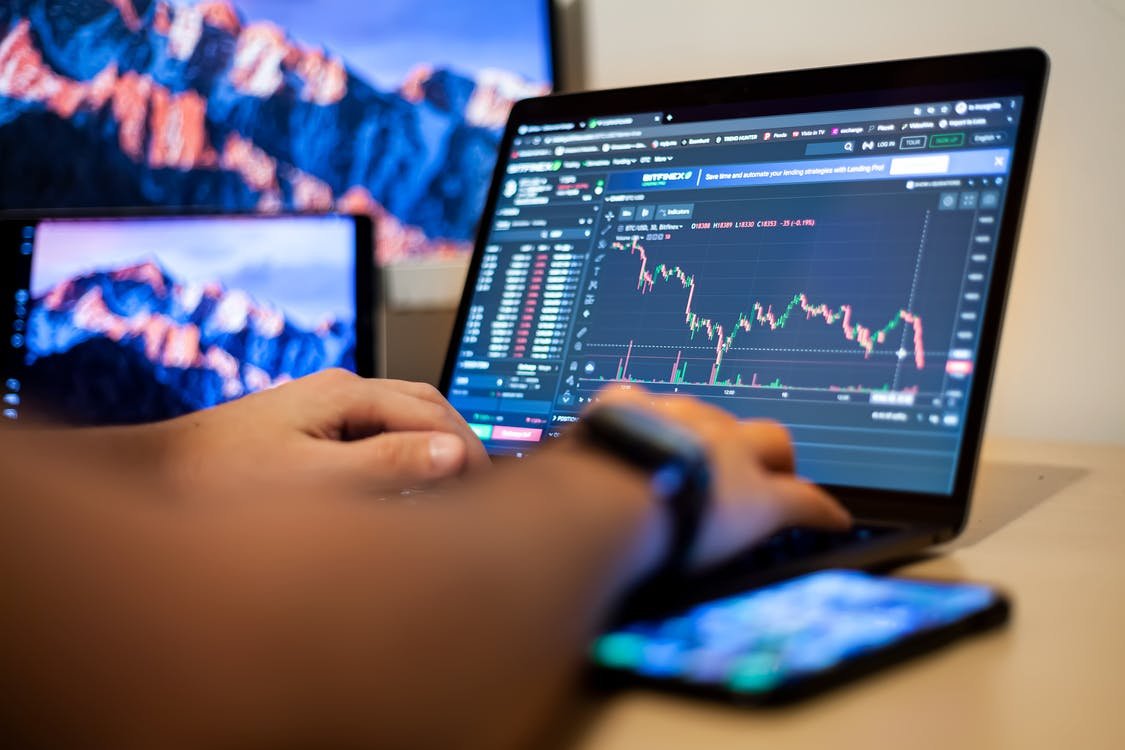
Price doesn’t move for no reason, even if it sometimes feels that way when you’re watching a chart. There are always forces behind it, but they’re not always visible at the same time, which is why movement can feel unclear, especially early on.
For traders in Australia, CFD trading starts to make more sense when price is no longer seen as random, but as a result of different factors interacting in the background.
Some of these are obvious. Others are more subtle.
Supply and Demand at Its Core
At the most basic level, price moves because of buying and selling. When more people are buying, price tends to rise. When more are selling, it tends to fall.
That sounds simple, but in reality, it’s constantly shifting.
In CFD trading, you’re watching that balance change in real time, even if you don’t see the individual decisions behind it.
Economic News and Data Releases
There are moments when the market suddenly becomes more active. Price moves faster, reacts sharply, or changes direction without much warning.
This often happens around economic news.
Interest rate decisions, employment data, inflation reports, these all influence how markets react. For traders in Australia, CFD trading can feel very different during these periods compared to quieter times.
Even if you don’t follow every release, you’ll notice the difference in how price behaves.
Market Sentiment
Not everything is driven by data. Sometimes it’s about how people feel about the market.
If there’s confidence, price may continue in one direction. If uncertainty increases, movement can become more cautious or unstable.
This is often referred to as sentiment.
In CFD trading, sentiment isn’t something you measure directly, but you can often feel it through how price moves, whether it’s steady, hesitant, or reactive.
Liquidity and Trading Activity
The amount of activity in the market also plays a role.
When more participants are involved, price tends to move more smoothly. When activity is lower, movement can feel slower or less consistent.
For traders in Australia, this is often noticeable during different times of the day. In CFD trading, liquidity affects how easily price moves from one level to another.
Global Events and Unexpected Changes
Sometimes price reacts to events that aren’t scheduled.
Political developments, global tensions, or unexpected announcements can cause sudden movement. These moments are harder to anticipate and often feel more unpredictable.
In CFD trading, this is part of what creates uncertainty. Not everything can be planned for.
Technical Factors on the Chart
There are also influences that come from the chart itself.
Levels where price has reacted before, areas where movement slows down, or points where traders expect something to happen can all affect how price behaves.
For traders in Australia, CFD trading becomes easier to follow when these areas start to stand out naturally.
They don’t control the market, but they often influence how price reacts.
How These Factors Come Together
None of these influences work in isolation.
At any moment, price is responding to a mix of supply and demand, sentiment, activity, and external events. That’s why it doesn’t always behave in a clean or predictable way.
Some days feel structured. Others feel unclear.
In CFD trading, understanding that multiple factors are always at play helps reduce the need to explain every movement.
Price movement is shaped by many factors, some visible, some not. Trying to understand every single one can feel overwhelming.
For traders in Australia, CFD trading becomes more manageable when the focus shifts from explaining everything to recognising what’s happening in the moment.
